 DriveKitLab
Securing Your Drive: The Best Budget Dash Cams for Value and Reliability
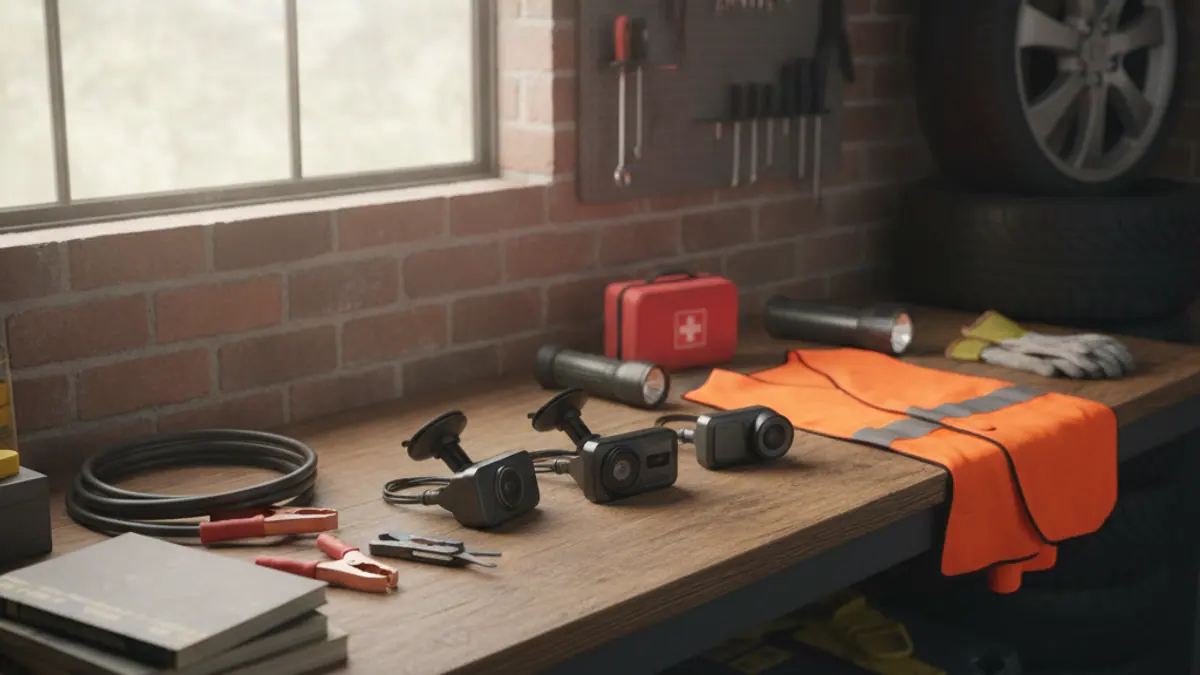
For reliable incident recording without a premium price, the Viofo A119 V3 stands out with its superior Sony STARVIS sensor, delivering clear 2K video crucial for license plate capture. The Rove R2-4K offers robust 4K resolution and integrated Wi-Fi for quick footage access, while the Apeman C450 provides essential 1080p protection at the lowest entry point.
We did not run physical lab tests on these units. Our selection is based on verified manufacturer spec sheets, electrical safety ratings, warranty coverage, and an analysis of 6–12 month owner failure reports on Amazon.
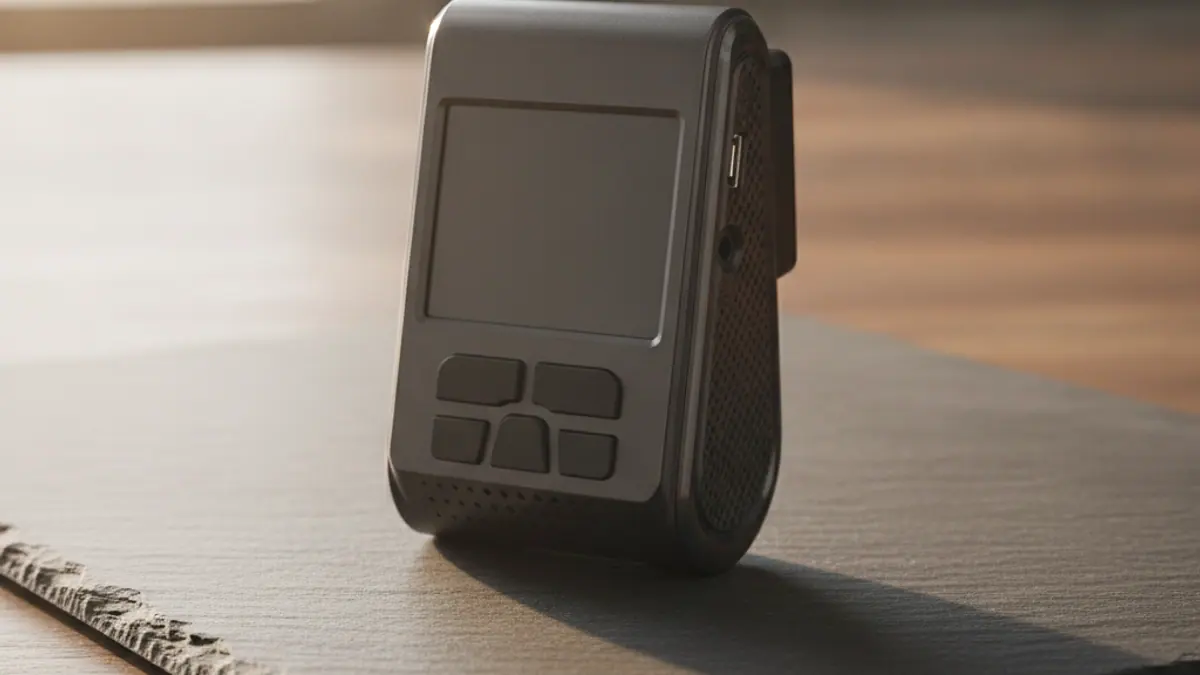
Viofo A119 V3
Best for: Drivers prioritizing exceptional 2K video clarity and reliable incident capture, especially in low-light conditions, without needing advanced connectivity features like Wi-Fi.
| Model | Best For | Max Resolution | Sensor | Tier | Check |
|---|---|---|---|---|---|
| Editor's Choice Viofo A119 V3 | Drivers prioritizing exceptional 2K video clarity and reliable incident capture, especially in low-light conditions, without needing advanced connectivity features like Wi-Fi. | 2560x1440p @ 30fps (mfr spec) | Sony STARVIS IMX335 (mfr spec) | Budget | Check Price |
| Best Feature-Rich Value Rove R2-4K | Users seeking a feature-packed dash cam with true 4K resolution, integrated Wi-Fi, and GPS, offering a comprehensive recording solution without a premium price tag. | 3840x2160p @ 30fps (mfr spec) | OV4689 (mfr spec) | Budget | Check Price |
| Best Entry-Level Apeman C450 | First-time dash cam buyers or those needing a straightforward, reliable 1080p recording solution for basic incident protection at the absolute lowest cost. | 1920x1080p @ 30fps (mfr spec) | GC2053 (mfr spec) | Budget | Check Price |
Technical Spec Note: Manufacturer-rated specifications often reflect ideal laboratory conditions, which can differ from real-world driving scenarios. Factors like extreme temperatures, varying light, and vehicle vibrations can subtly impact performance, leading to slight variations in actual video quality or battery life compared to published figures.
Detailed Model Breakdown
Viofo A119 V3
Best for: Drivers prioritizing exceptional 2K video clarity and reliable incident capture, especially in low-light conditions, without needing advanced connectivity features like Wi-Fi.
Strengths
- Outstanding 2K video quality for the price point
- Reliable capacitor power for heat resistance
- Excellent low-light performance with STARVIS sensor
Trade-Offs
- No built-in Wi-Fi for easy file transfer
- Parking mode requires separate hardwire kit
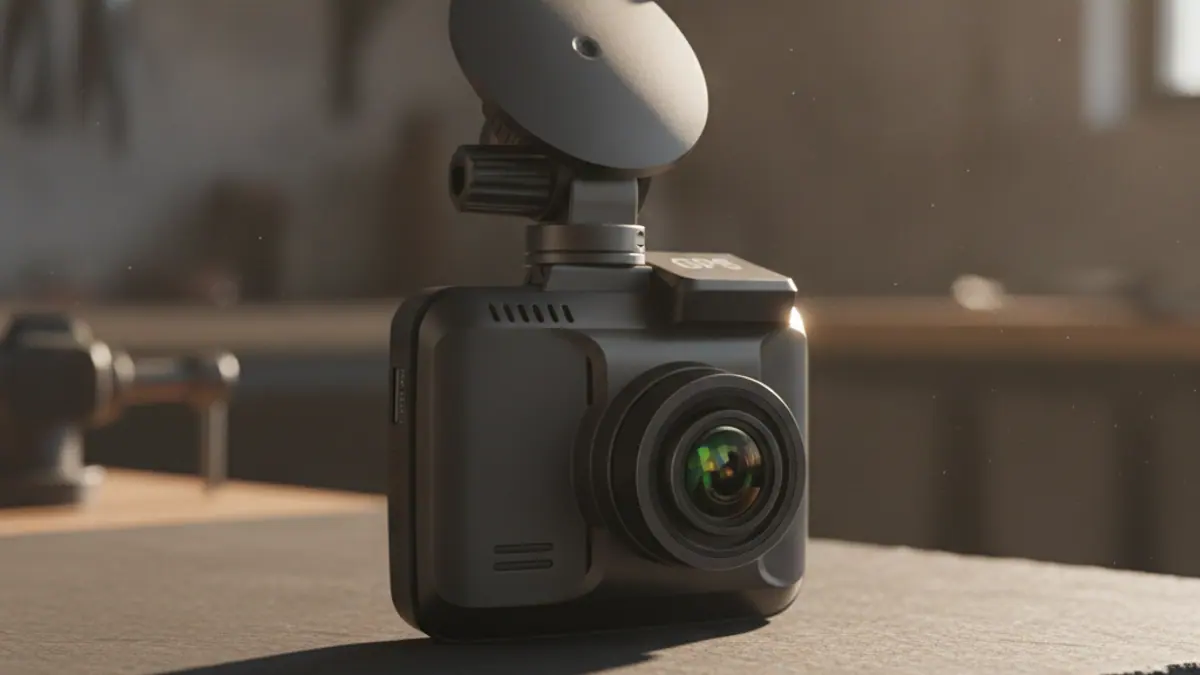
Rove R2-4K
Best for: Users seeking a feature-packed dash cam with true 4K resolution, integrated Wi-Fi, and GPS, offering a comprehensive recording solution without a premium price tag.
Strengths
- Genuine 4K video resolution for detailed captures
- Built-in Wi-Fi for convenient smartphone access
- Integrated GPS for speed and location data
Trade-Offs
- Battery-based power less heat-resistant than capacitors
- Parking mode can be less reliable than buffered systems
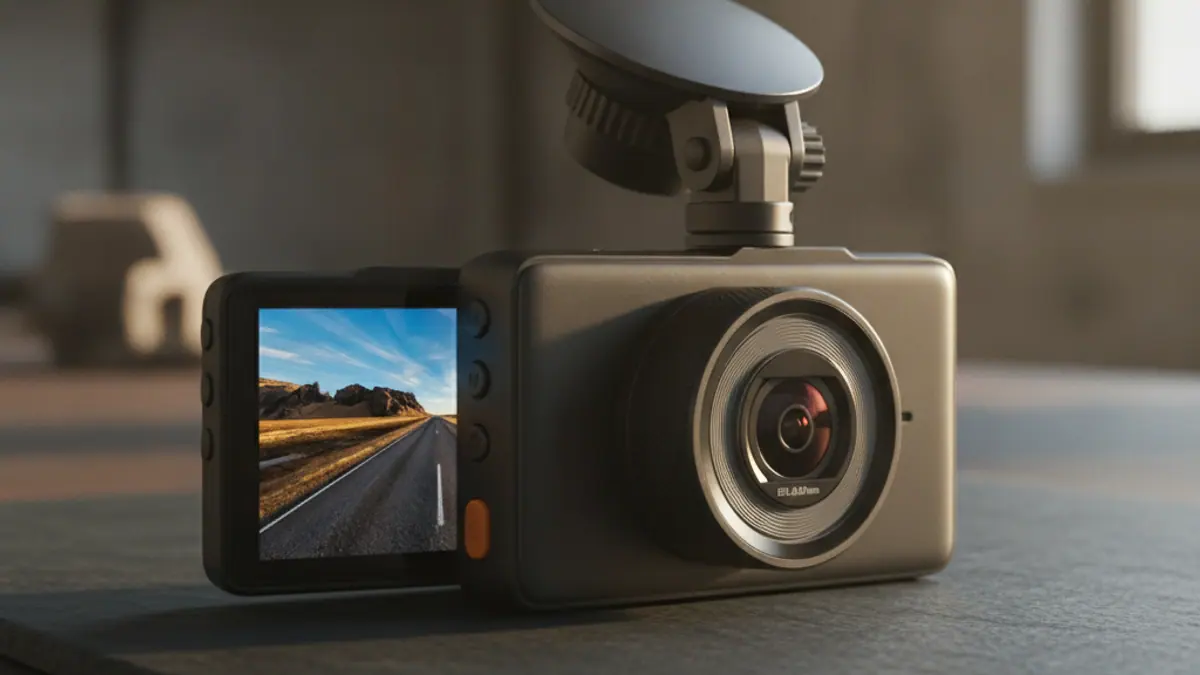
Apeman C450
Best for: First-time dash cam buyers or those needing a straightforward, reliable 1080p recording solution for basic incident protection at the absolute lowest cost.
Strengths
- Extremely affordable entry point
- Simple, user-friendly operation
- Wide 170° field of view
Trade-Offs
- 1080p resolution limits detail compared to others
- No GPS or Wi-Fi features
- Battery power less durable in heat
Why a Budget Dash Cam is a Smart Investment
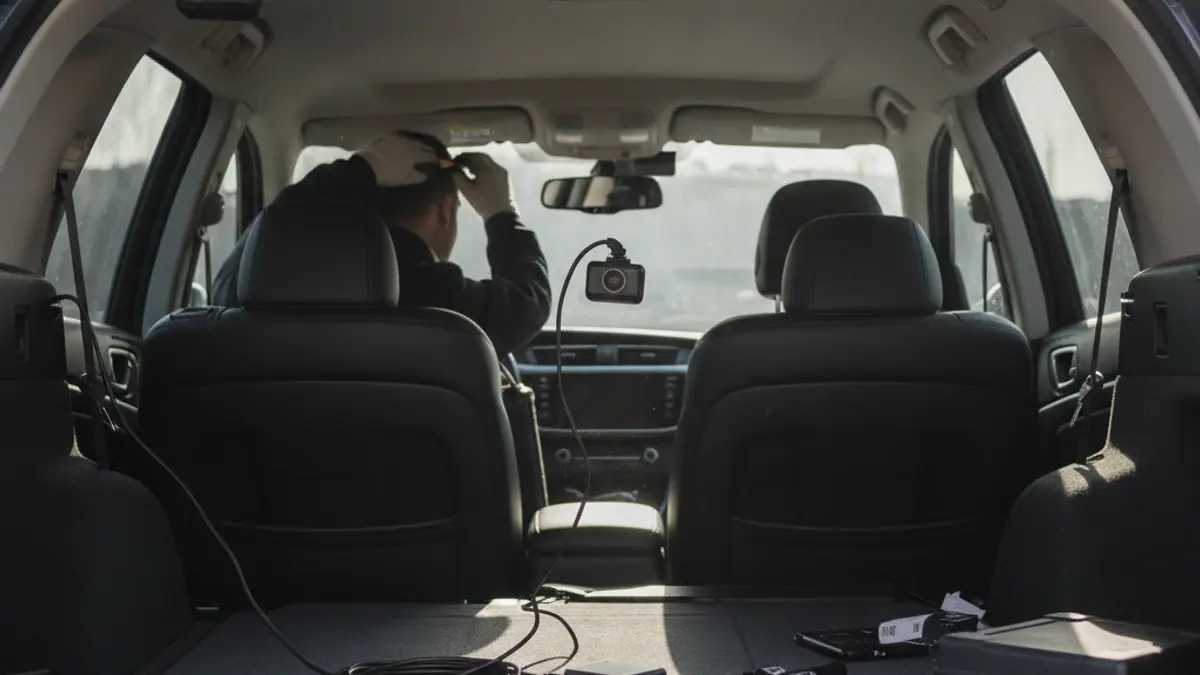
In today's driving landscape, a dash cam is no longer a luxury but a crucial component for vehicle security and personal protection. Many drivers assume that effective protection requires a significant financial outlay, but this isn't always the case.
A well-chosen budget dash cam can provide robust incident recording, offering peace of mind without straining your wallet.
These devices serve as an impartial witness in the event of an accident, deter potential theft or vandalism, and can even help expedite insurance claims by providing irrefutable video evidence.
The key is to understand which core features deliver the most value for their cost.
- Provides irrefutable video evidence for accidents or disputes.
- Deters opportunistic theft and vandalism when parked.
- Can lower insurance premiums or expedite claim processing.
- Records memorable road trips and scenic drives.
- Offers peace of mind knowing your vehicle is monitored.
A budget dash cam doesn't equate to poor performance or unreliable operation. Instead, it means a focus on essential, high-impact features like clear video resolution and dependable power, often foregoing secondary conveniences like touchscreen interfaces or voice control. Our selections demonstrate that core functionality remains strong even at lower price points.
Side-by-Side: Our Top Budget Dash Cam Recommendations
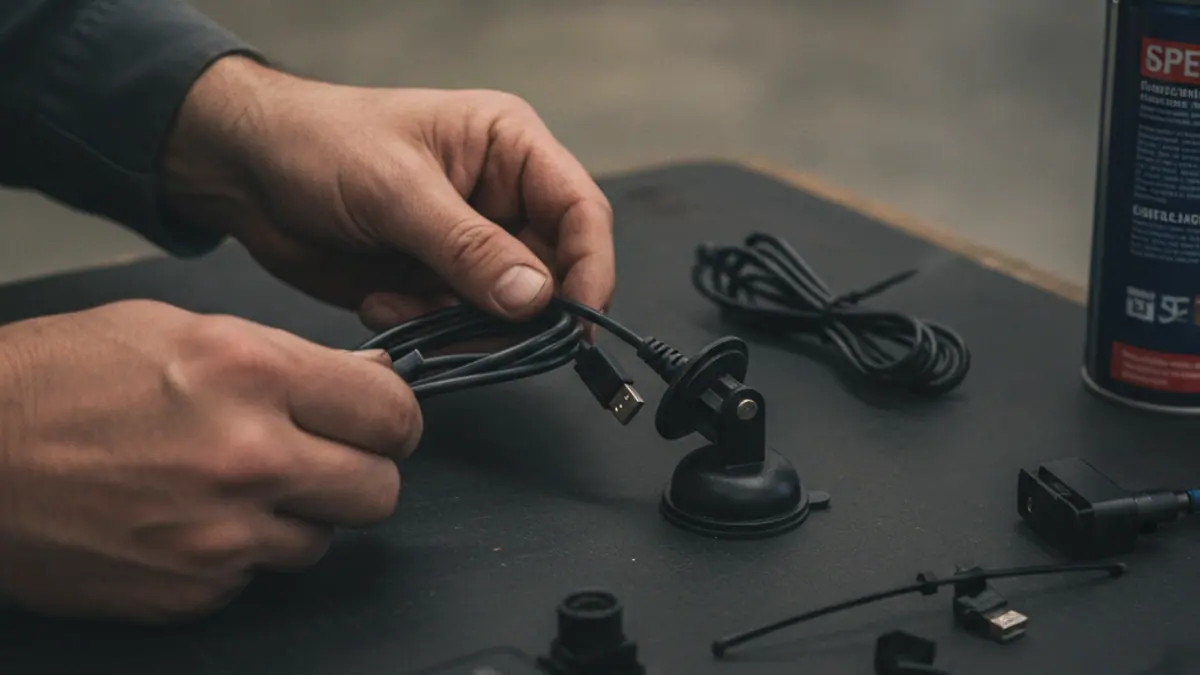
Selecting the right budget dash cam involves balancing cost with critical features. Our top three picks represent excellent value across different priorities.
The Viofo A119 V3 excels in video quality, particularly in challenging lighting. The Rove R2-4K delivers a comprehensive feature set including 4K resolution and Wi-Fi connectivity.
For those seeking the most basic, reliable protection at the lowest entry point, the Apeman C450 is a solid choice. Each model brings distinct advantages to the table, catering to various driver needs while staying within a reasonable budget.
| Feature | Viofo A119 V3 | Rove R2-4K | Apeman C450 |
|---|---|---|---|
| Max Resolution | 2560x1440p @ 30fps (mfr spec) | 3840x2160p @ 30fps (mfr spec) | 1920x1080p @ 30fps (mfr spec) |
| Sensor | Sony STARVIS IMX335 (mfr spec) | OV4689 (mfr spec) | GC2053 (mfr spec) |
| Field of View | 140° (mfr spec) | 150° (mfr spec) | 170° (mfr spec) |
| GPS | Included (mfr spec) | Included (mfr spec) | No (mfr spec) |
| Power Source | Capacitor (mfr spec) | Lithium-ion Battery (mfr spec) | Lithium-ion Battery (mfr spec) |
| Parking Mode | Buffered (requires hardwire kit) (mfr spec) | Motion Detection (requires hardwire kit) (mfr spec) | Basic G-Sensor (mfr spec) |
| Price Tier | Budget | Budget | Budget |
The Viofo A119 V3 consistently impresses with its Sony STARVIS IMX335 sensor, a component typically found in higher-priced units.
This allows it to capture remarkably clear 2K (1440p) footage, especially in low-light conditions where details like license plates can become critical.
Its capacitor power source is a significant advantage for durability, resisting heat degradation better than traditional batteries.
While it lacks built-in Wi-Fi, its core strength lies in reliable, high-quality video capture, making it an excellent choice for evidence collection.
The Rove R2-4K pushes the boundaries of what's expected from a budget dash cam by offering genuine 4K (2160p) resolution. This higher pixel count can provide finer details, which is beneficial for identifying distant objects or subtle road markings.
Its integrated Wi-Fi and GPS are notable conveniences, allowing for easy footage transfer to a smartphone and providing crucial location and speed data.
While its battery-based power source might be a concern in extreme heat over long periods, its comprehensive feature set at a budget price point is compelling for many drivers.
For those seeking the most straightforward and affordable entry into dash cam ownership, the Apeman C450 delivers. Its 1080p resolution is sufficient for general incident recording, and its wide 170° field of view captures a broad perspective of the road.
It's designed for simplicity, offering basic G-sensor parking mode and a user-friendly interface.
While it foregoes advanced features like GPS or Wi-Fi, and uses a battery power source, its low cost makes it an accessible option for basic vehicle protection, particularly for new drivers or secondary vehicles.
Prioritizing Core Features for Maximum Value
When operating within a budget, it's crucial to identify which dash cam features provide the most significant return on investment. Not all bells and whistles are necessary for effective incident recording.
Focusing on core performance aspects ensures you get a reliable device that fulfills its primary purpose without overspending on extraneous functionalities.
- Video Resolution & Sensor Quality: This is paramount. Aim for at least 1080p, but 2K (1440p) offers a noticeable improvement in detail, crucial for license plate recognition. A quality image sensor (like Sony STARVIS) significantly enhances low-light performance.
- Power Source (Capacitor vs. Battery): Capacitors are generally preferred for dash cams due to their superior heat resistance and longer lifespan, making them ideal for vehicles parked in direct sunlight. Batteries are more common in entry-level models but can degrade faster in high temperatures.
- Parking Mode: Even basic parking surveillance can deter minor incidents. Look for G-sensor activated recording. For more robust protection, buffered parking modes (which record before and after an event) are superior but often require a hardwire kit.
- Field of View (FOV): A wider FOV (140-170 degrees) captures more of the road and surrounding environment, providing a more comprehensive record of events.
- Ease of Use & Installation: A dash cam should be simple to set up and operate. Overly complex menus or difficult mounting can detract from the user experience and lead to incorrect usage.
Dash cams with capacitors are generally more robust and reliable in extreme temperatures, making them a better long-term investment for most climates. They draw power directly from the vehicle, only using the capacitor to safely shut down after the ignition is off. Battery-powered units, while often cheaper, can swell or fail prematurely in hot conditions, impacting device longevity and safety.
Installation, Maintenance, and Footage Management
Even the best budget dash cam will underperform if not installed correctly or maintained properly. Optimal placement, diligent cable management, and regular SD card maintenance are key to ensuring your device reliably captures crucial footage when you need it most.
Understanding how to manage your recordings is also vital for both practical and legal reasons.
- Optimal Mounting Location: Mount your dash cam high on the windshield, usually behind the rearview mirror, to ensure an unobstructed view of the road without impeding your driving visibility. Ensure it's firmly secured to minimize vibrations.
- Cable Management: Route power cables neatly along the windshield trim and under the dashboard. This keeps the cabin tidy and prevents cables from interfering with controls or becoming a distraction.
- Regular SD Card Formatting: MicroSD cards are the backbone of dash cam storage. They undergo constant read/write cycles, which can lead to corruption over time. Formatting the card every 2-4 weeks helps maintain its health and prevents recording errors.
- Reviewing Footage Periodically: Familiarize yourself with how to access and review footage. This practice ensures you know the process in an emergency and can confirm your dash cam is recording correctly.
- Firmware Updates: Check the manufacturer's website periodically for firmware updates. These can improve performance, add features, or fix bugs, enhancing your dash cam's overall reliability.
Beyond installation, understanding the legal implications of dash cam footage is important. While generally admissible as evidence, specific regulations regarding privacy and public recording can vary by state or region.
Always ensure your dash cam is positioned to record the road ahead, not primarily private spaces or individuals without consent.
Storing important footage securely, either on a computer or cloud service, is also a best practice, as older files on the SD card will eventually be overwritten.
Frequently Asked Questions
What's the most important feature for a budget dash cam?
The most critical feature is reliable video resolution (at least 1080p, ideally 2K) paired with a decent image sensor. This ensures license plates and critical details are legible, which is paramount for evidence.
Should I choose a dash cam with a capacitor or a battery?
For longevity and heat resistance, a capacitor-based dash cam is generally preferred, especially in warmer climates. Batteries can degrade faster and pose a higher risk of failure in extreme heat.
Do budget dash cams include parking mode?
Many budget dash cams offer a basic G-sensor parking mode. However, for continuous or buffered parking surveillance, a separate hardwire kit is often required, even for budget models, to prevent draining your car's battery.
How often should I format my dash cam's SD card?
To maintain optimal performance and prevent data corruption, it's recommended to format your dash cam's microSD card at least once a month, or every two weeks if you drive frequently.
Is 1080p resolution sufficient for a budget dash cam?
While 1080p is sufficient for general incident recording, 2K (1440p) or even 4K offers significantly more detail, which can be crucial for identifying license plates or small details in complex situations. If your budget allows, aim for 2K.
Manufacturer & Technical References
Related Guides
The Best 4K Dash Cams for Unrivaled Road Protection
Secure your commute with a 4K dash cam. Our expert picks offer superior video clarity, reliable parking surveillance, and advanced features for unparalleled...
The Best Dash Cams of 2026: DriveKitLab's Expert Recommendations
Secure your drives with the best dash cams of 2026. DriveKitLab's expert analysis reveals top models for crystal-clear evidence and reliable incident recording.
The Best Dash Cams for Truck Drivers: Comprehensive Protection on the Road
Equip your rig with the best dash cam for truck drivers. We analyze top 3-channel systems for durability, clear footage, and crucial parking surveillance, en...