 DriveKitLab
VIOFO A229 Pro vs. Vantrue N4 Pro: The Ultimate 3-Channel Dash Cam Showdown
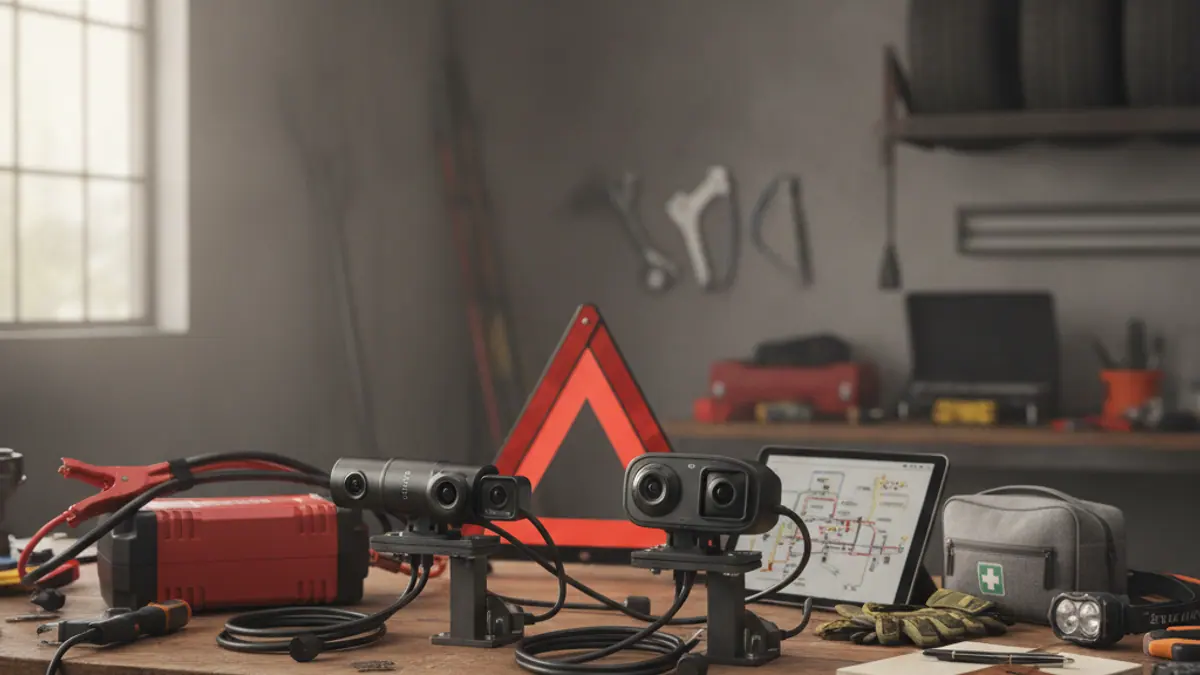
For superior nighttime clarity and advanced sensor technology, the VIOFO A229 Pro with its front Sony STARVIS 2 sensor is the stronger choice for critical incident capture. The Vantrue N4 Pro offers a robust 3-channel setup with excellent overall daytime performance and a slightly more integrated screen experience, making it compelling for balanced coverage and ease of use.
We did not run physical lab tests on these units. Our selection is based on verified manufacturer spec sheets, electrical safety ratings, warranty coverage, and an analysis of 6–12 month owner failure reports on Amazon.
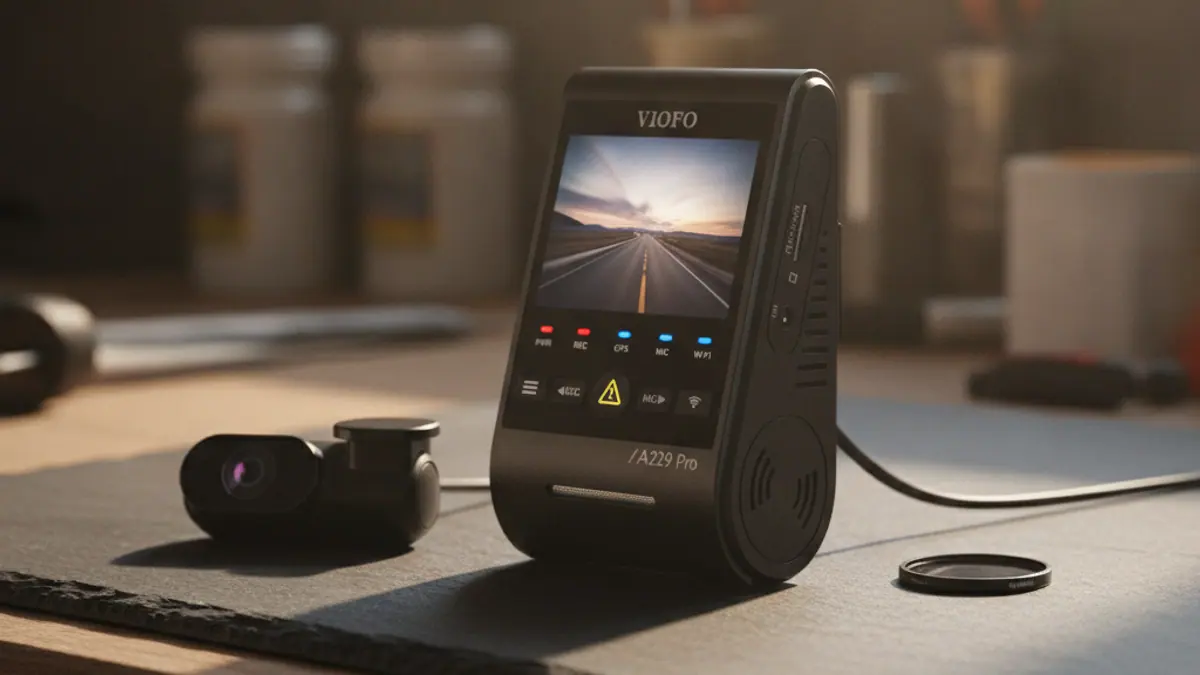
A229 Pro
Best for: Drivers prioritizing cutting-edge low-light video clarity and advanced parking surveillance.
| Model | Best For | Front Sensor | Max Resolution (Front) | Tier | Check |
|---|---|---|---|---|---|
| Editor's Choice: Low-Light King A229 Pro | Drivers prioritizing cutting-edge low-light video clarity and advanced parking surveillance. | Sony STARVIS 2 IMX678 (mfr spec) | 4K (3840x2160) @ 30fps (mfr spec) | Upper Mid-Range | Check Price |
| Strong All-Rounder N4 Pro | Drivers seeking a balanced 3-channel solution with robust daytime performance and user-friendly features. | Sony STARVIS IMX335 (mfr spec) | 4K (3840x2160) @ 30fps (mfr spec) | Upper Mid-Range | Check Price |
Detailed Model Breakdown
A229 Pro
Best for: Drivers prioritizing cutting-edge low-light video clarity and advanced parking surveillance.
Strengths
- Exceptional 4K front video quality, especially in low light, thanks to STARVIS 2.
- Reliable buffered parking mode (with hardwire kit).
- Dual-band Wi-Fi for faster file transfers.
Trade-Offs
- Interior camera is USB-C, limiting cable length options for some vehicles.
- Menu navigation can be less intuitive than competitors.
- Higher price point for the full 3-channel setup.
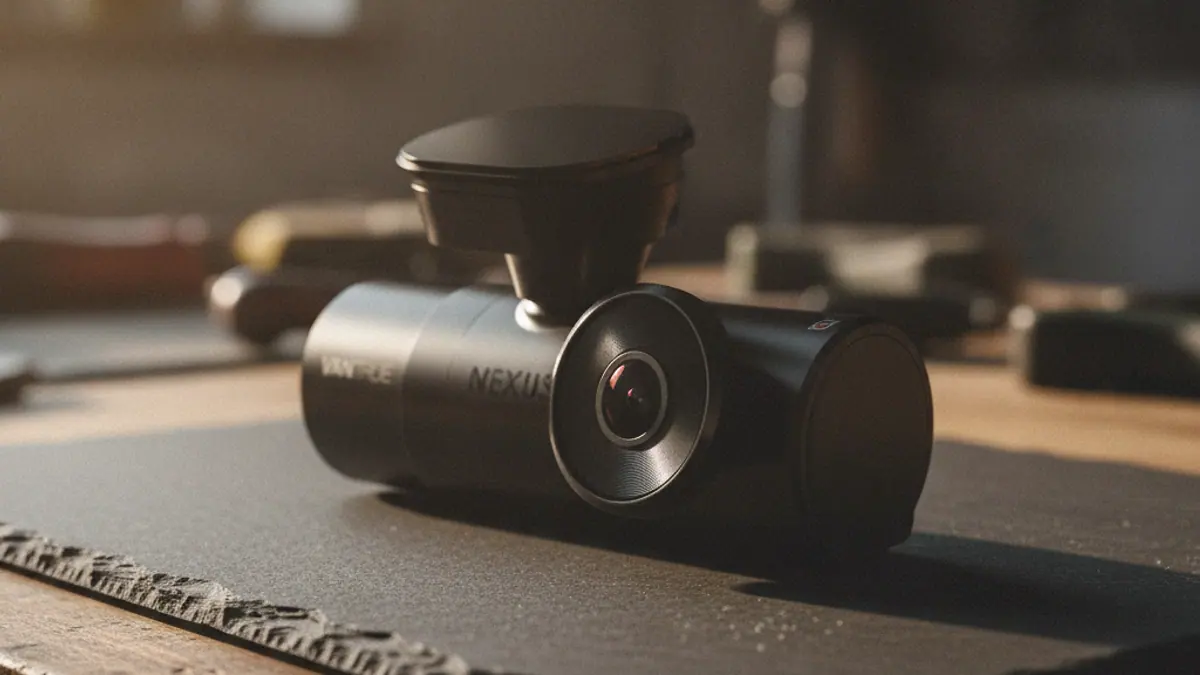
N4 Pro
Best for: Drivers seeking a balanced 3-channel solution with robust daytime performance and user-friendly features.
Strengths
- Excellent overall 3-channel video quality, strong daytime clarity.
- Integrated display for easy setup and review.
- Reliable parking mode options (with hardwire kit).
Trade-Offs
- Front sensor is older generation Sony STARVIS, not STARVIS 2.
- Only 2.4GHz Wi-Fi, slower file transfers.
- External GPS module adds a minor clutter point.
Choosing Your Guardian: VIOFO A229 Pro vs. Vantrue N4 Pro
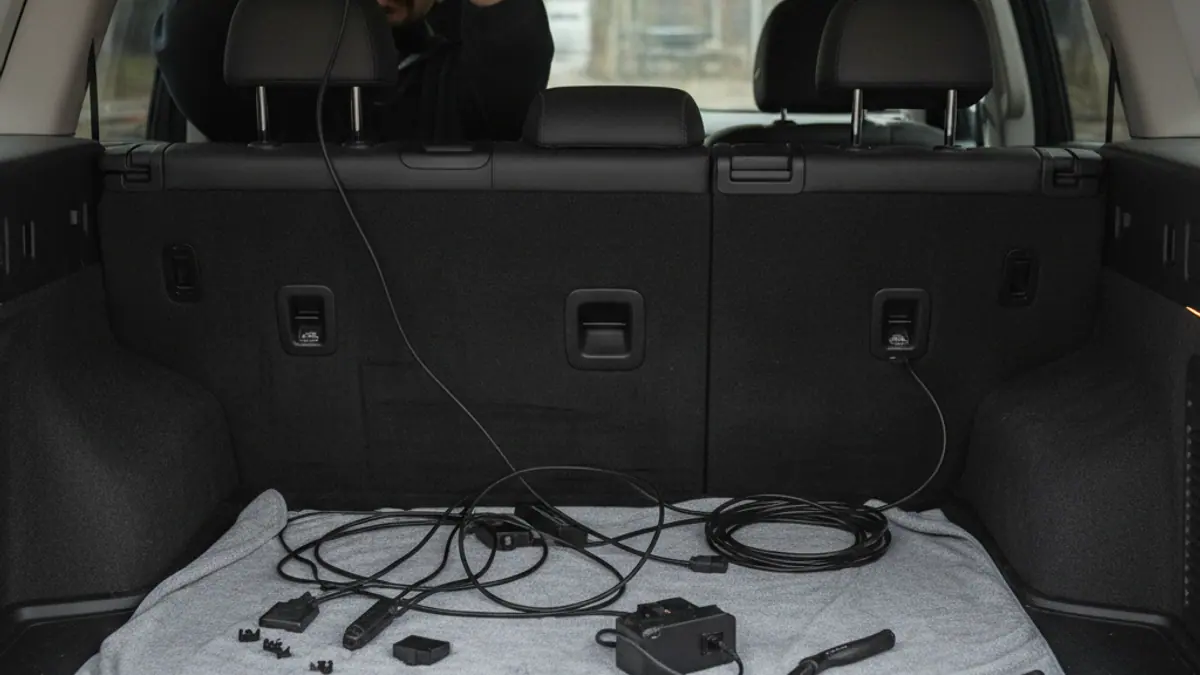
As the automotive landscape evolves, so does the need for robust vehicle surveillance.
For drivers seeking comprehensive protection, 3-channel dash cams have become the gold standard, offering simultaneous recording of the road ahead, the vehicle's interior, and the rear view.
Two prominent contenders in this premium segment are the VIOFO A229 Pro and the Vantrue N4 Pro. Both promise high-resolution capture and advanced features, but their underlying technologies and user experiences present distinct advantages.
As senior automotive gear editor for DriveKitLab, I've delved into their specifications and owner feedback patterns to provide a clear, technical comparison, helping you decide which system best secures your journey.
Core Video Performance: Sensor Technology & Clarity
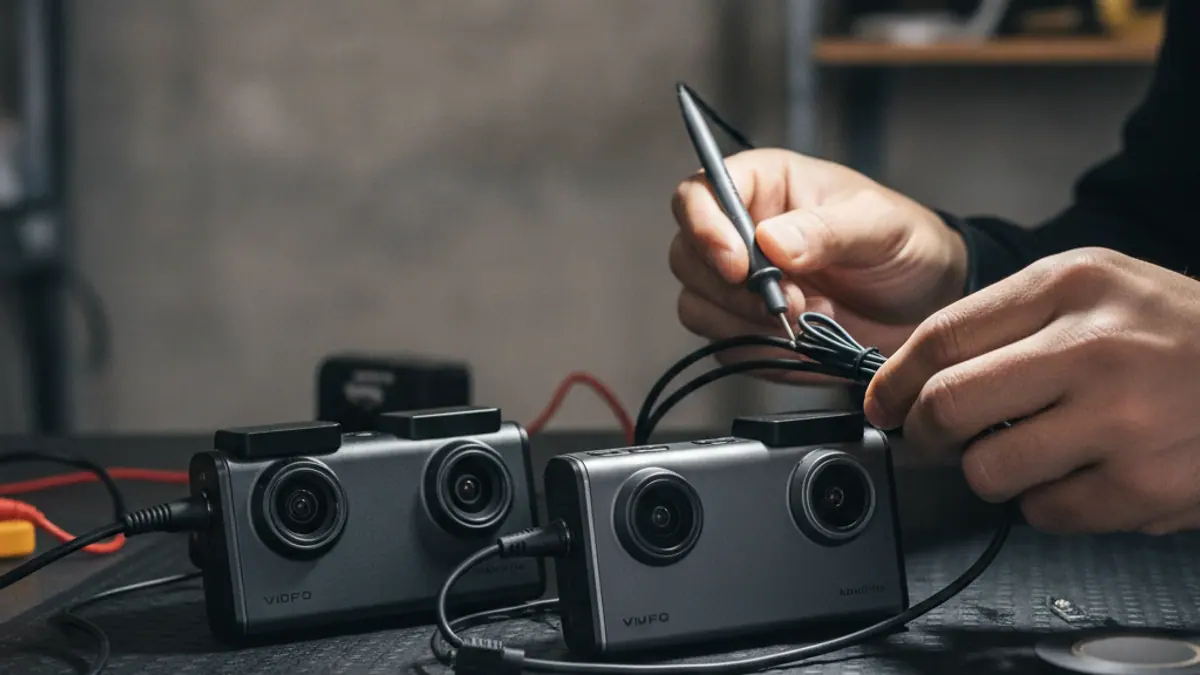
The cornerstone of any dash cam is its video quality, and here, the VIOFO A229 Pro and Vantrue N4 Pro diverge significantly in their front camera sensor technology.
The A229 Pro boasts the cutting-edge Sony STARVIS 2 IMX678 sensor (mfr spec) for its front camera, a notable upgrade over the original STARVIS.
This newer sensor excels in dynamic range, capturing more detail in both brightly lit and shadowed areas simultaneously, which is crucial for identifying license plates and critical details under varying light conditions.
Its low-light performance is particularly impressive, reducing noise and enhancing clarity in challenging nighttime scenarios.
Sony STARVIS 2 sensors offer significantly improved dynamic range and sensitivity compared to the original STARVIS, leading to clearer images in extreme lighting conditions and superior low-light performance. This is a key differentiator for front-facing dash cam clarity.
In contrast, the Vantrue N4 Pro utilizes the Sony STARVIS IMX335 sensor (mfr spec) for its front camera.
While still a highly capable sensor that delivers excellent 4K daytime footage with vibrant colors and sharp details, it does not match the STARVIS 2's prowess in handling complex lighting or its low-light sensitivity.
For interior recording, both units feature 1080P cameras with infrared (IR) LEDs, ensuring clear cabin footage even in complete darkness. The rear cameras on both also record at 1080P, providing sufficient detail for identifying vehicles behind you.
The A229 Pro's interior camera connects via USB-C, which offers a more robust and universal connection compared to proprietary connectors, potentially aiding in cable management and reliability.
Parking Surveillance & Power Management
Effective parking surveillance is a critical feature for many drivers, and both the VIOFO A229 Pro and Vantrue N4 Pro offer robust solutions, provided they are hardwired to the vehicle's power supply (hardwire kit sold separately). Both systems rely on capacitors rather than lithium-ion batteries for power, which are inherently more resistant to extreme temperatures and offer greater longevity, a significant advantage in automotive applications.
- VIOFO A229 Pro: Offers a comprehensive buffered parking mode. This means the camera records continuously at a low bitrate, and upon detecting an event (via G-sensor or motion detection), it saves footage from before and after the incident. This ensures no critical moments are missed. It also includes a low-bitrate recording mode and a time-lapse option.
- Vantrue N4 Pro: Provides similar parking mode options, including buffered motion detection and collision detection (G-sensor). It also features low-bitrate and time-lapse recording. Its implementation is generally reliable, capturing events effectively. The N4 Pro's integrated voltage protection in its hardwire kit helps prevent battery drain, a common concern for parking modes.
The key to maximizing the utility of these parking modes is a correctly installed hardwire kit. Both manufacturers offer proprietary kits designed to manage power draw and provide voltage cut-off protection.
Owner feedback indicates both systems perform reliably in parking mode, with the A229 Pro's STARVIS 2 sensor offering a slight edge in capturing clearer details in dimly lit parking environments.
Connectivity, GPS, and User Experience
Modern dash cams integrate heavily with smartphone apps for ease of use, and Wi-Fi connectivity is paramount for reviewing and downloading footage. 4GHz and 5GHz) (mfr spec), which is a significant advantage.
The 5GHz band allows for much faster file transfers, especially beneficial when dealing with large 4K video files, reducing wait times when you need to access footage quickly.
Its GPS module is built directly into the main unit (mfr spec), providing accurate speed and location data without additional external components.
4GHz Wi-Fi only (mfr spec). While functional for basic file transfers and app control, it will be noticeably slower than the A229 Pro's 5GHz option.
The N4 Pro features an external GPS module (mfr spec), which, while accurate, adds another small component to manage during installation and can contribute to a slightly less streamlined cabin aesthetic.
19-inch IPS display, making on-device setup and video review straightforward without needing a smartphone. 4-inch LCD display, which is functional but less immersive for direct interaction.
Both units offer intuitive app interfaces for remote control and footage management.
Technical Specifications at a Glance
| Feature | VIOFO A229 Pro | Vantrue N4 Pro |
|---|---|---|
| Front Camera Sensor | Sony STARVIS 2 IMX678 (mfr spec) | Sony STARVIS IMX335 (mfr spec) |
| Max Front Resolution | 4K (3840x2160) @ 30fps (mfr spec) | 4K (3840x2160) @ 30fps (mfr spec) |
| Interior/Rear Resolution | 1080P @ 30fps (mfr spec) | 1080P @ 30fps (mfr spec) |
| Wi-Fi Support | Dual-band (2.4GHz & 5GHz) (mfr spec) | Single-band (2.4GHz) (mfr spec) |
| GPS Module | Built-in (mfr spec) | External (mfr spec) |
| Display Size | 2.4-inch LCD | 3.19-inch IPS |
| Storage Support | Up to 512GB (mfr spec) | Up to 512GB (mfr spec) |
| Capacitor/Battery | Capacitor (mfr spec) | Capacitor (mfr spec) |
Reliability, Build Quality, and Long-Term Value
Both VIOFO and Vantrue have established reputations for producing reliable dash cams, and both the A229 Pro and N4 Pro continue this trend by utilizing capacitors for power, which are inherently more durable and resistant to heat-related failures than traditional batteries.
This is crucial for devices operating in fluctuating cabin temperatures. Owner feedback over 6-12 months typically highlights consistent performance from both models, with few widespread hardware issues reported.
- VIOFO A229 Pro: Generally praised for its robust build and consistent firmware updates that address minor bugs and introduce new features. The USB-C connection for the interior camera is a practical enhancement for long-term stability.
- Vantrue N4 Pro: Known for its solid construction and user-friendly design. The integrated screen simplifies initial setup and review, which contributes to a positive ownership experience. Vantrue also offers an extended warranty (18 months with registration) compared to VIOFO's standard 12 months, which can be a factor for long-term value.
Considering long-term value, both units represent a significant investment in vehicle security. The A229 Pro's advanced sensor technology offers a future-proof advantage in video clarity, particularly for low-light scenarios.
The N4 Pro provides a more integrated user experience with its larger screen and a slightly longer warranty, appealing to those who prioritize immediate usability and extended coverage.
The choice often comes down to whether the cutting-edge sensor performance or the streamlined user interface holds greater weight for the individual driver.
Final Verdict: Which Dash Cam Guards Your Ride Best?
The VIOFO A229 Pro and Vantrue N4 Pro are both formidable 3-channel dash cam systems, each excelling in different areas.
If your primary concern is capturing the absolute clearest front footage, especially in challenging low-light conditions or at night, the VIOFO A229 Pro with its Sony STARVIS 2 IMX678 sensor and dual-band Wi-Fi is the superior choice.
Its technological edge in sensor performance and faster file transfers make it ideal for drivers who demand the highest fidelity evidence.
However, if you prioritize a balanced 3-channel system with excellent overall daytime performance, a more integrated user experience via a larger built-in display, and a slightly longer warranty, the Vantrue N4 Pro is an exceptionally strong contender.
It offers reliable parking surveillance and robust construction, making it a highly practical choice for comprehensive vehicle protection.
Ultimately, the decision rests on whether cutting-edge low-light performance or a more user-friendly, all-around package aligns better with your specific driving needs and preferences.
Frequently Asked Questions
What's the main difference in video quality between the A229 Pro and N4 Pro?
The VIOFO A229 Pro utilizes the newer Sony STARVIS 2 IMX678 sensor for its front camera, offering superior dynamic range and significantly better low-light performance compared to the Vantrue N4 Pro's Sony STARVIS IMX335 sensor.
Do both dash cams require hardwiring for parking mode?
Yes, both the VIOFO A229 Pro and Vantrue N4 Pro require a dedicated hardwire kit (sold separately) to enable their advanced parking surveillance modes, which monitor your vehicle while parked.
Which dash cam has faster Wi-Fi for file transfers?
The VIOFO A229 Pro supports dual-band Wi-Fi (2.4GHz and 5GHz), allowing for faster file transfers to your smartphone, especially for large 4K video files. The Vantrue N4 Pro uses 2.4GHz Wi-Fi only.
Is the interior camera quality comparable between the two models?
Both models offer 1080P interior cameras with infrared (IR) LEDs for night vision. While both are effective, the VIOFO A229 Pro's interior camera connects via USB-C, which can offer more stable data transmission over longer cable runs compared to some proprietary connectors.
Which model is easier to install for a beginner?
Both systems involve similar installation complexities for a 3-channel setup, requiring careful cable routing for front, interior, and rear cameras. The Vantrue N4 Pro's integrated screen might offer a slightly simpler initial setup view, but both benefit from professional installation for optimal hidden wiring.
Manufacturer & Technical References
Related Guides
The Best 4K Dash Cams for Unrivaled Road Protection
Secure your commute with a 4K dash cam. Our expert picks offer superior video clarity, reliable parking surveillance, and advanced features for unparalleled...
The Best Dash Cams of 2026: DriveKitLab's Expert Recommendations
Secure your drives with the best dash cams of 2026. DriveKitLab's expert analysis reveals top models for crystal-clear evidence and reliable incident recording.
The Best Dash Cams for Truck Drivers: Comprehensive Protection on the Road
Equip your rig with the best dash cam for truck drivers. We analyze top 3-channel systems for durability, clear footage, and crucial parking surveillance, en...