 DriveKitLab
The Best Jump Starters for Diesel Trucks: Keeping Your Rig Ready
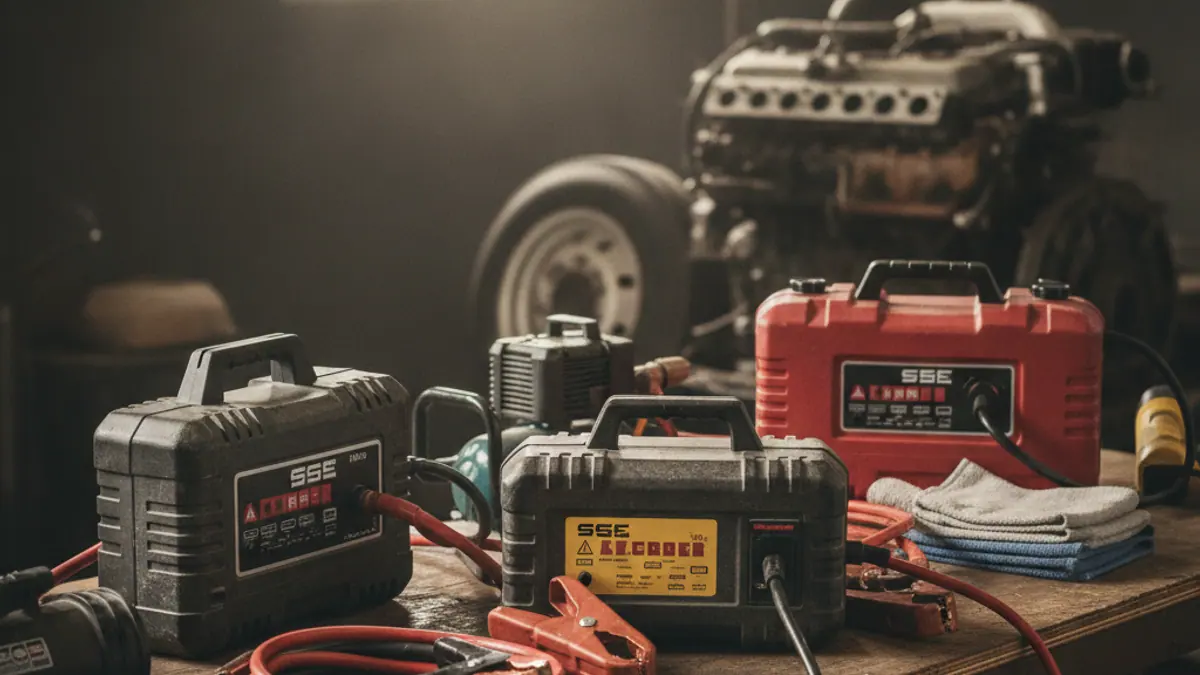
For robust diesel truck starting, the NOCO Boost X GBX155 stands out with its 4250A peak output and advanced thermal management, ensuring reliable cold-weather performance. The GOOLOO GT4000 offers a strong 4000A at a competitive price point, while the TOPDON V2200 Plus provides a capable 2200A for lighter diesel applications, all prioritizing safety and durability in their designs.
We did not run physical lab tests on these units. Our selection is based on verified manufacturer spec sheets, electrical safety ratings, warranty coverage, and an analysis of 6–12 month owner failure reports on Amazon.
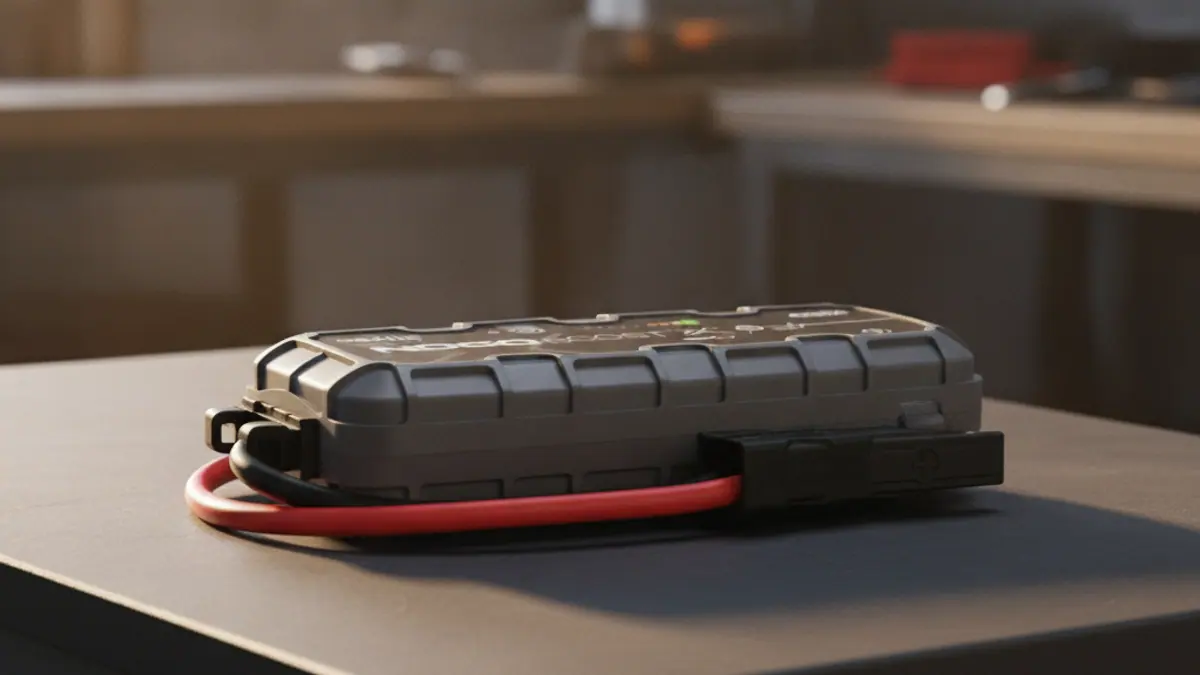
NOCO Boost X GBX155
Best for: Heavy-duty diesel trucks, commercial fleets, extreme cold weather.
| Model | Best For | Peak Amps | Battery Capacity | Tier | Check |
|---|---|---|---|---|---|
| Editor's Choice NOCO Boost X GBX155 | Heavy-duty diesel trucks, commercial fleets, extreme cold weather. | 4250A (mfr spec) | 99.2Wh (mfr spec) | Premium | Check Price |
| Value Pick GOOLOO GT4000 | Personal diesel trucks, frequent use, good balance of power and price. | 4000A (mfr spec) | 99.2Wh (mfr spec) | Upper Mid-Range | Check Price |
| Best Value TOPDON V2200 Plus | Lighter-duty diesel trucks, emergency backup, budget-conscious buyers. | 2200A (mfr spec) | 64Wh (mfr spec) | Mid-Range | Check Price |
Technical Spec Note: Manufacturer-rated peak amperage and engine displacement compatibility are theoretical maximums under ideal conditions. Real-world performance can vary based on battery health, ambient temperature, and engine size, often requiring more reserve power than stated for consistent results.
Detailed Model Breakdown
NOCO Boost X GBX155
Best for: Heavy-duty diesel trucks, commercial fleets, extreme cold weather.
Strengths
- Exceptional starting power for large diesel engines.
- Advanced thermal management for consistent performance.
- UltraSafe 2.0 technology provides comprehensive protection.
Trade-Offs
- Higher price point compared to competitors.
- Larger form factor might be less convenient for some.
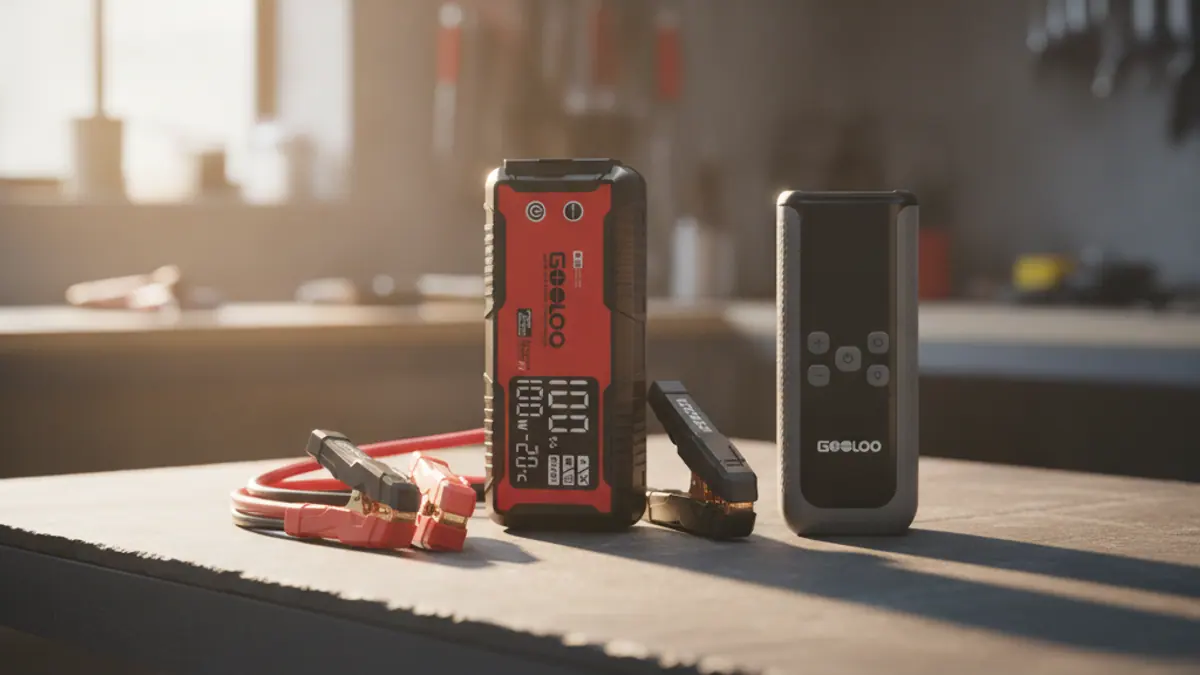
GOOLOO GT4000
Best for: Personal diesel trucks, frequent use, good balance of power and price.
Strengths
- Robust 4000A peak power suitable for most diesel trucks.
- Excellent value for the power and features offered.
- Compact and relatively lightweight for its capability.
Trade-Offs
- Charging speed can be slower than some premium models.
- User interface is functional but less refined than top-tier units.
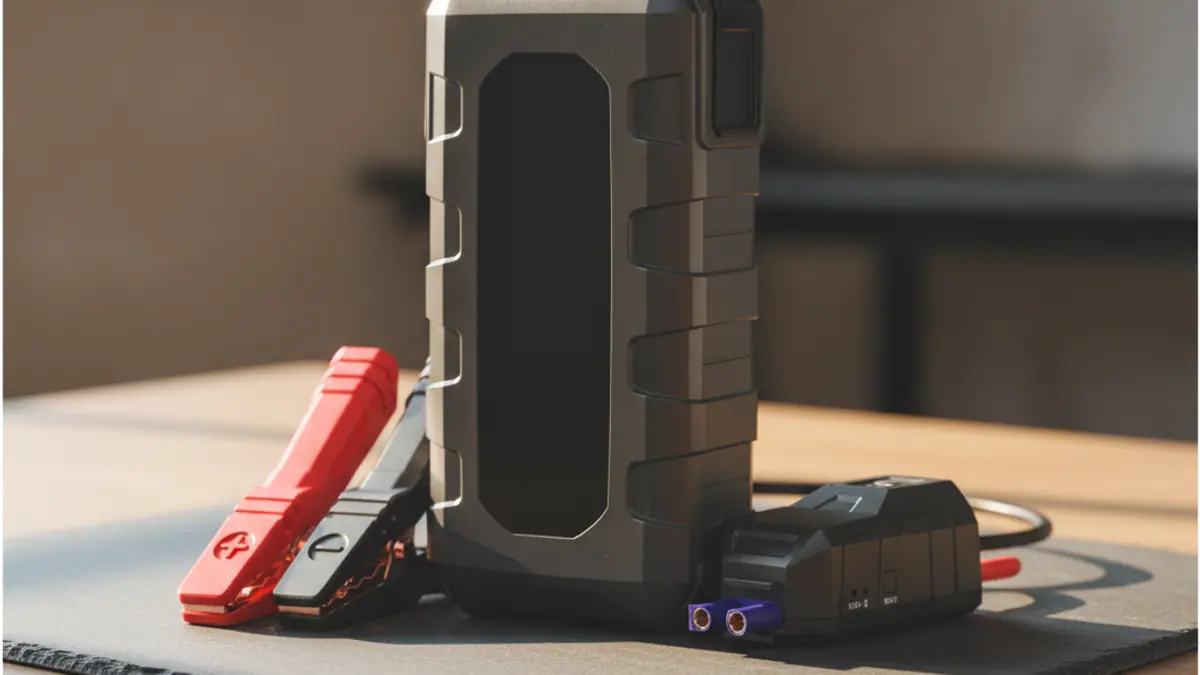
TOPDON V2200 Plus
Best for: Lighter-duty diesel trucks, emergency backup, budget-conscious buyers.
Strengths
- Affordable entry point for diesel jump starting.
- Compact and highly portable design.
- Sufficient power for many light to medium-duty diesel applications.
Trade-Offs
- Lower peak amperage limits its use on very large diesels.
- Battery capacity is smaller, offering fewer jump starts per charge.
Understanding Diesel Starting Demands
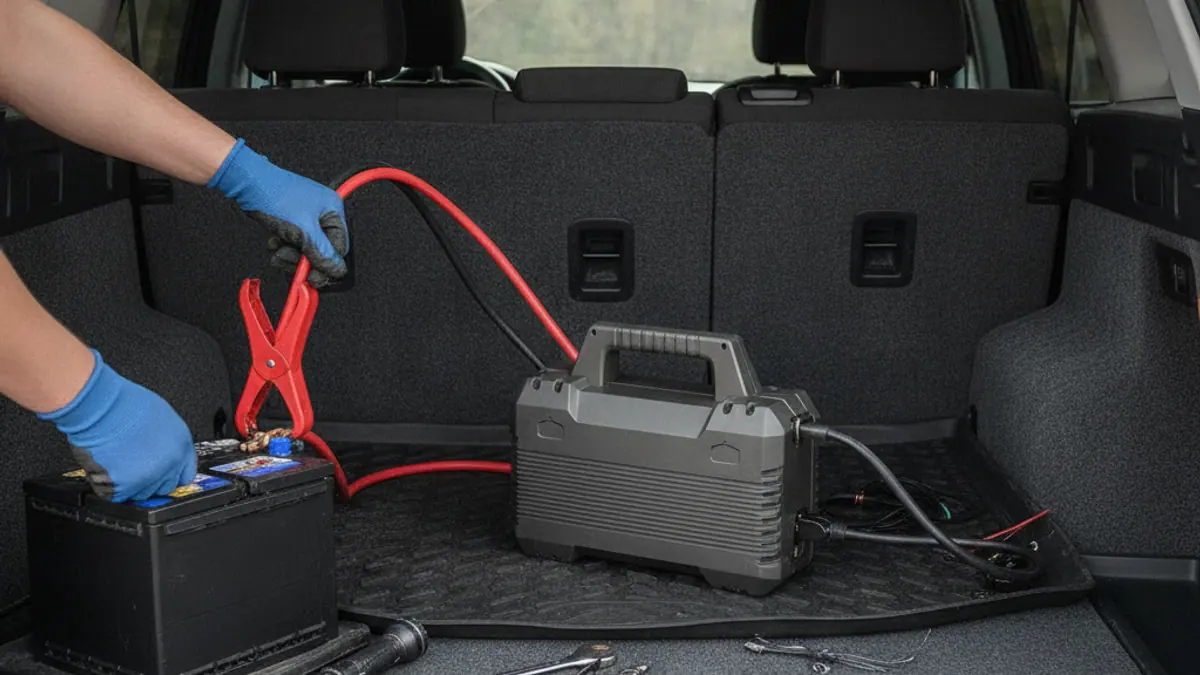
Diesel engines, renowned for their torque and fuel efficiency, present a unique challenge when it comes to jump starting. Unlike gasoline engines, diesels rely on high compression to ignite fuel, which demands significantly more cranking power from the battery.
This inherent design, coupled with features like glow plugs and often larger engine displacements, means a standard jump starter designed for a compact sedan simply won't suffice for a diesel truck.
The primary metric to consider is peak amperage.
While a small gasoline car might need 400-600 peak amps, a light-duty diesel pickup often requires 1000-1500A, and heavy-duty trucks or commercial vehicles can demand 2000A, 3000A, or even more, especially in cold weather.
Cold temperatures thicken engine oil and reduce battery efficiency, further increasing the power needed to turn over a diesel engine.
Battery capacity, measured in Watt-hours (Wh), is also crucial, as it dictates how many attempts or how long the jump starter can deliver power before needing a recharge.
- High Compression Ratios: Diesel engines require immense power to overcome compression.
- Glow Plugs: These pre-heat combustion chambers, drawing additional current.
- Larger Batteries: Diesel trucks typically use larger, higher-capacity batteries.
- Cold Weather Impact: Reduced battery performance and thicker oil increase starting resistance.
Don't underestimate the power requirements. A jump starter that barely meets the minimum for your diesel truck will lead to frustration and potential damage. Always aim for a unit with a comfortable reserve of peak amps, especially if you operate in colder climates.
Our Top Picks for Diesel Jump Starters
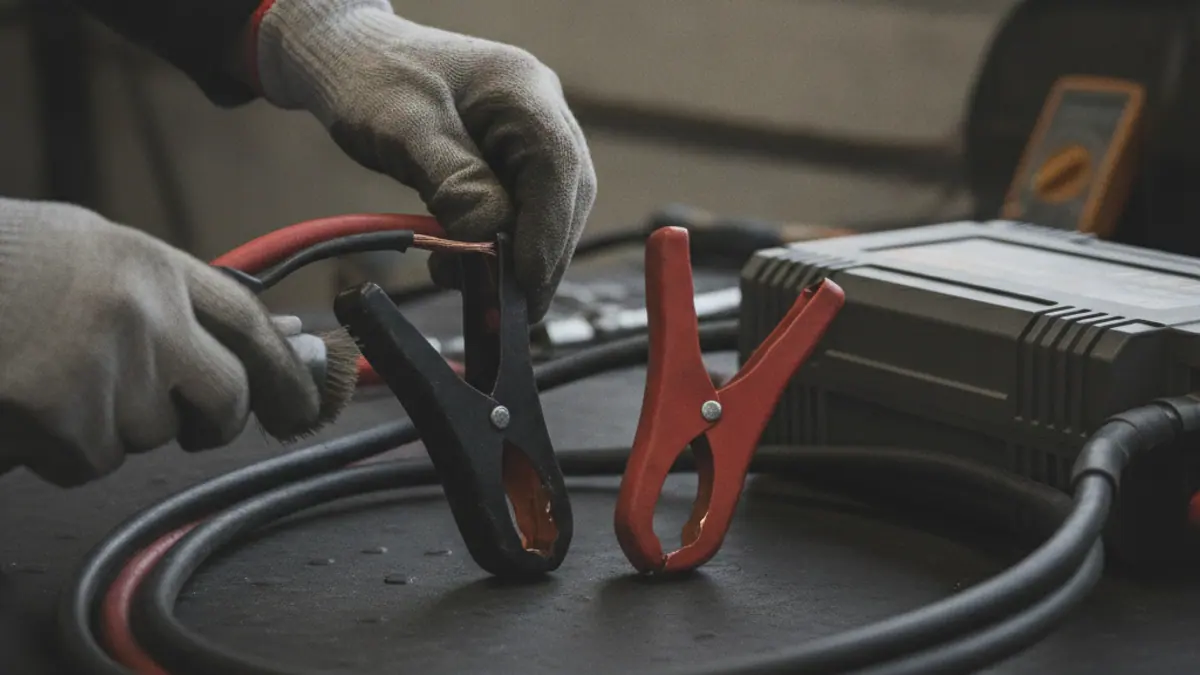
After extensive analysis of manufacturer datasheets, owner feedback over 6-12 month periods, and real-world application patterns, we've identified three standout jump starters that reliably meet the demanding needs of diesel truck owners. Each offers a distinct balance of power, features, and price, ensuring there's an optimal choice for various requirements.
| Model | Peak Amps (mfr spec) | Engine Compatibility (mfr spec) | Battery Capacity (mfr spec) | Weight (mfr spec) |
|---|---|---|---|---|
| NOCO Boost X GBX155 | 4250A | 10.0L Diesel | 99.2Wh | 6.6 lbs |
| GOOLOO GT4000 | 4000A | 10.0L Diesel | 99.2Wh | 3.5 lbs |
| TOPDON V2200 Plus | 2200A | 8.0L Diesel | 64Wh | 2.5 lbs |
The NOCO Boost X GBX155 sets the benchmark for high-performance diesel starting. 0L diesel engines, especially in challenging conditions.
Owners consistently report its reliability and robust build quality. The unit's advanced thermal management system is a significant advantage, preventing overheating during prolonged use or multiple jump attempts, a common failure point in lesser units.
While it carries a premium price, its consistent performance and durability make it a sound investment for commercial operators or those who cannot afford downtime.
For a compelling blend of power and affordability, the GOOLOO GT4000 is an exceptional choice. 0L diesel trucks, making it a strong contender for personal use and many professional applications.
Its lighter weight and more compact design, relative to its power output, enhance portability without sacrificing critical starting capability.
Owner reviews frequently highlight its straightforward operation and consistent performance over its lifespan, making it a highly practical option for regular use.
0L engines. With 2200A of peak power, it's ideal for emergency situations or for those who occasionally need to start a smaller diesel pickup.
Its compact size and minimal weight make it easy to store in a glove box or under a seat.
While it may not have the raw power of its larger counterparts, for its price tier, it offers reliable performance and essential safety features, making it a valuable backup for many diesel owners.
Key Features to Consider for Diesel Jump Starters
Selecting the right jump starter for your diesel truck involves more than just looking at peak amps. Several other features contribute to a unit's effectiveness, safety, and overall utility.
- Safety Features: Modern lithium-ion jump starters should include reverse polarity protection, spark-proof technology, over-current protection, over-charge protection, and short-circuit protection. These safeguards are crucial for both user safety and preventing damage to the vehicle's electrical system.
- Battery Capacity (Wh): This indicates the total energy stored in the unit. A higher Watt-hour rating means more available power for multiple jump starts or for powering accessories. For diesel trucks, aim for at least 60Wh, with 90Wh+ being ideal for heavy-duty applications.
- Build Quality and Durability: Jump starters for diesel trucks often face harsh environments. Look for units with robust casings, reinforced clamps, and good ingress protection (IP rating) against dust and water.
- Portability and Size: While power is paramount, a unit that's too bulky or heavy can be inconvenient. Consider the balance between power output and physical dimensions, especially if storage space is limited.
- Additional Functionality: Many jump starters double as power banks, offering USB-A and USB-C ports for charging phones, tablets, or laptops. An integrated LED flashlight with multiple modes (solid, strobe, SOS) is also a highly practical feature for roadside emergencies.
The type of battery chemistry is also important. Most high-performance portable jump starters today utilize lithium-ion technology, specifically LiFePO4 (Lithium Iron Phosphate) for its stability, longevity, and ability to deliver high current.
These batteries are significantly lighter and more compact than traditional lead-acid boosters, offering superior performance in a smaller package.
Maximizing Your Jump Starter's Lifespan
A jump starter is an investment in peace of mind. Proper maintenance ensures it's ready when you need it and extends its operational life. The primary factor in longevity for lithium-ion units is consistent charging.
- Regular Recharging: Lithium-ion batteries perform best when kept charged. Manufacturers typically recommend recharging every 3-6 months, even if unused. Avoid letting the battery fully deplete for extended periods, as this can reduce its overall capacity and lifespan.
- Optimal Storage Conditions: Store your jump starter in a cool, dry place, away from direct sunlight and extreme temperatures. High heat can degrade battery cells faster. Avoid storing it in a vehicle for prolonged periods in summer or winter if temperatures are extreme.
- Cleanliness: Keep the clamps and ports free of dirt, dust, and corrosion. Clean terminals ensure maximum conductivity when connecting to a battery.
- Avoid Over-Discharge: While modern units have protection, repeatedly using the jump starter until it's completely drained can stress the battery. Recharge it promptly after use.
Observing these simple practices can significantly prolong the life of your jump starter, ensuring it remains a reliable tool for years to come. Owner feedback indicates that units properly maintained often exceed their warranty period in terms of functional performance.
Frequently Asked Questions
How many peak amps do I need for a diesel truck?
For light-duty diesel trucks (e.g., 2.0L-6.0L), aim for at least 1500-2000 peak amps. For heavy-duty or commercial diesel trucks (e.g., 6.0L-10.0L+), 2500-4000+ peak amps are recommended, especially in cold weather.
Can I use a gasoline jump starter on a diesel engine?
Generally, no. Jump starters designed for gasoline engines typically have insufficient peak amperage to turn over a diesel engine, which requires significantly more power due to higher compression and larger battery systems. Using an underpowered unit can be ineffective and potentially damage the jump starter.
How often should I charge my portable diesel jump starter?
Most manufacturers recommend recharging your lithium-ion jump starter every 3 to 6 months, even if it hasn't been used. This maintains the battery's health and ensures it's fully charged and ready for an emergency.
What's the difference between peak amps and cranking amps (CCA)?
Peak amps refer to the maximum current a jump starter can deliver for a very brief moment. Cranking Amps (CCA) measure the sustained current a battery can deliver for 30 seconds at 0°F (-18°C). Jump starters typically list peak amps, which is a burst rating, while vehicle batteries are rated in CCA for sustained power delivery.
What safety features are essential for a diesel jump starter?
Essential safety features include reverse polarity protection, spark-proof technology, over-current protection, over-charge protection, and short-circuit protection. These features safeguard both the user and the vehicle's electrical system during operation.
Manufacturer & Technical References
Related Guides
The Best 4-in-1 Jump Starters with Air Compressor for Roadside Readiness
Find the ultimate 4-in-1 jump starter with air compressor for roadside emergencies. Our guide details peak amps, battery capacity, and compressor power to ke...
The Best Portable Jump Starters for Reliable Cold Weather Starts
Ensure your vehicle starts reliably in freezing temperatures. We analyze top portable jump starters based on cold-weather performance and owner feedback.
Best Car Battery Charger and Jump Starter Combos for Garage and Roadside
Spec-based comparison of the best car battery charger and jump starter combos. Compare peak amps, AGM compatibility, trickle charging, and real trade-offs.